Share

The heart of community is in the Exchange
 ‌ ‌ ‌ ‌ ‌ ‌ ‌ ‌ ‌ ‌ ‌ ‌ ‌ ‌ ‌ ‌ ‌ ‌ ‌ ‌ ‌ ‌ ‌ ‌ ‌ ‌ ‌ ‌ ‌ ‌ ‌ ‌ ‌ ‌ ‌ ‌ ‌ ‌ ‌ ‌ ‌ ‌ ‌ ‌ ‌ ‌ ‌ ‌ ‌ ‌ ‌ ‌ ‌ ‌ ‌ ‌ ‌ ‌ ‌ ‌ ‌ ‌ ‌ ‌ ‌ ‌ ‌ ‌ ‌ ‌ ‌ ‌ ‌ ‌ ‌ ‌ ‌ ‌ ‌ ‌ ‌ ‌ ‌ ‌ ‌ ‌ ‌ ‌ ‌ ‌ ‌ ‌ ‌ ‌ ‌ ‌ ‌ ‌ ‌ ‌ ‌ ‌ ‌ ‌ ‌ ‌ ‌ ‌ ‌ ‌ ‌ ‌ ‌ ‌ ‌ ‌ ‌ ‌ ‌ ‌ ‌ ‌ ‌ ‌ ‌ ‌
Exchange Community Voices
Exchange Magazine's Weekly Digest   •   Volume 1, Issue 25   •   June 22, 2026
Rethinking Family Engagement Through HuUbuntu
Patrick Makokoro
Amaka Amadike
BY PATRICK MAKOKORO AND NWAMAKA AMADIKE

A Different Way of Seeing Families

Picture a typical family engagement event at an early childhood center: parents arrive after work, listen to a presentation about child development, ask a few questions, and head home. The teacher feels good about "involving" families. The parents appreciate the information. Everyone leaves satisfied. But something fundamental is missing.

What if we've been thinking about family engagement all wrong? What if families aren't meant to be "involved" in education as outside participants, but recognized as the very foundation from which children's learning emerges?

This is the insight offered by HuUbuntu—an African philosophy that translates roughly as "I am because we are." Unlike Western approaches that often view children as individuals developing in isolation, HuUbuntu sees personhood itself as relational. You don't have an identity separate from your relationships. You become who you are through your connections with others (Tutu, 1999).

For early childhood educators, this philosophical shift changes everything about how we think about working with families. This article explores what family engagement looks like when we view it through the HuUbuntu lens, drawing on both traditional wisdom and contemporary research to reimagine our practice.


READ THE ARTICLE >>
Reflect: The authors offer a number of ideas to consider if you want to move to a philosophy where “families aren't meant to be ‘involved’ in education as outside participants, but recognized as the very foundation from which children's learning emerges.” Which of their ideas might you like to try?
ADVERTISEMENT
Engaging Exchange July 8, 2026
We’re Real Community Workers!” An Emergent Curriculum in a Universal Pre-K Classroom
“We’re Real Community Workers!” An Emergent Curriculum in a Universal Pre-K Classroom
Emma Butensky
BY EMMA BUTENSKY
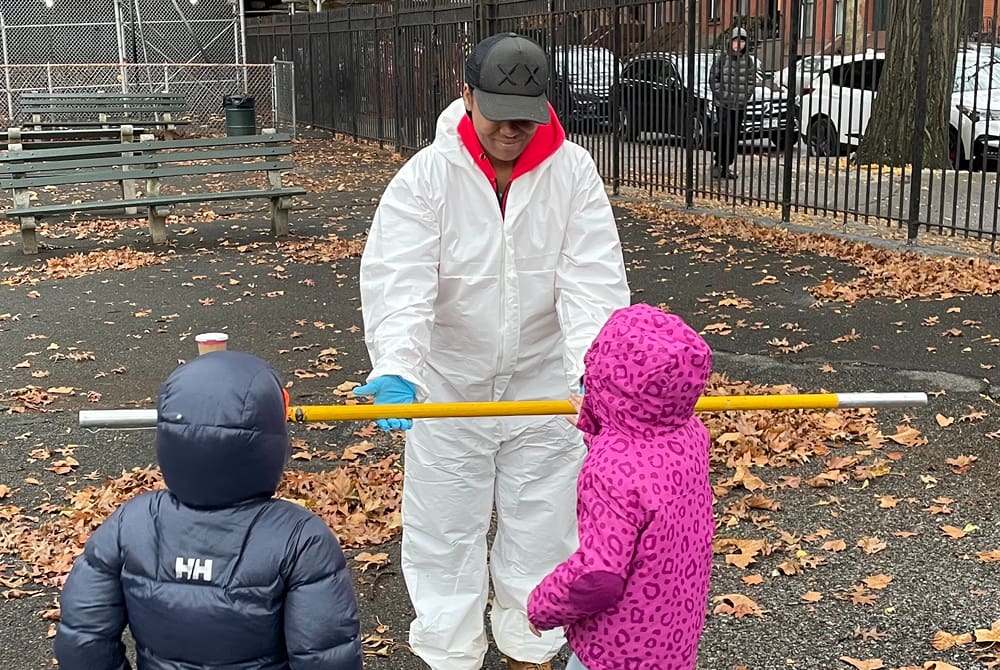
Early childhood curriculum is becoming increasingly scripted, packaged by corporations and purchased by districts (Peters et al., 2025, p. 11). Yet, especially in early childhood, curriculum includes so many aspects of school life, from classroom routines and projects to field trips and discussions. How can we script our walk to the park? How can we script the ideas that children share during morning meeting? While prepackaged curriculum dictates what students will study, emergent curriculum calls for teachers to follow the children’s lead, and young children are often deeply interested in the things that grown-ups would consider to be most mundane. My class was fascinated by a pile of leaves and a loose playground mat—everyday objects that I could have easily overlooked. Once I joined the children in their investigations, I realized that the curriculum was right there in front of us. This curriculum showed me what was possible when there is no script to follow.

READ THE ARTICLE >>
Reflect: What ideas were sparked for you as you read the author’s description of a rich experience with emergent curriculum?
ADVERTISEMENT
Nature Explore: Nature for Children Every day
Thinking Outside: Reflections on Leadership Journeys
 Susan Garrow-Oliver
Manna Middleton
Shannon Stewart
BY SUSAN GARROW-OLIVER, MANNA MIDDLETON AND SHANNON STEWART
A Shared Beginning: Curiosity, Connection, and the Invitation to Reflect

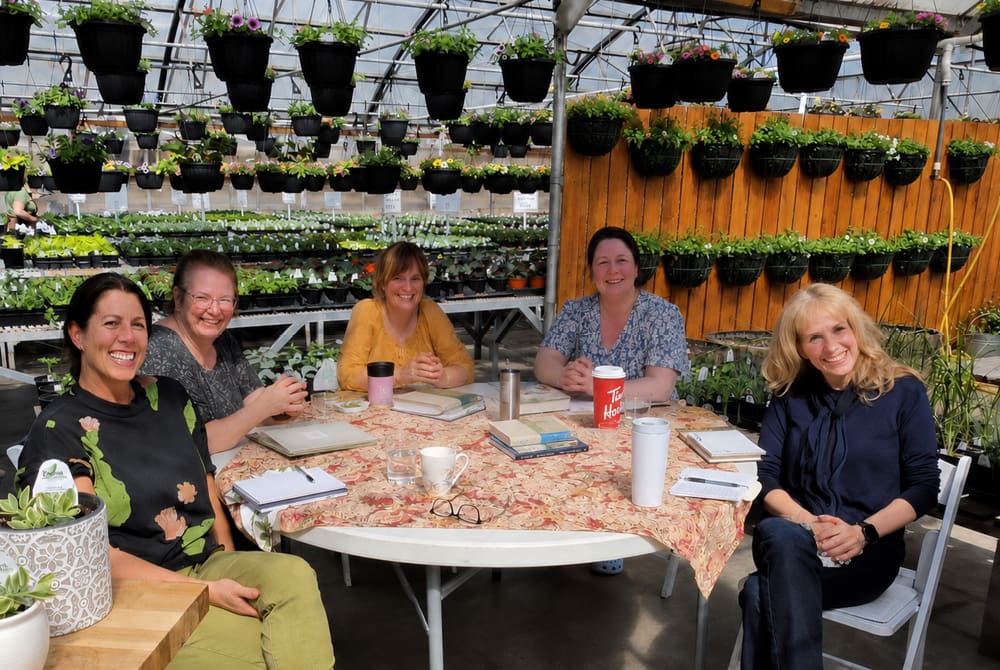
Over three decades of leadership in Alberta, Canada’s early learning and child-care (ELCC) community have given Susan Garrow-Oliver, Manna Middleton, and Shannon Stewart a deep appreciation for the power of curiosity, reflection, and friendship. Each has travelled a unique professional path—as post-secondary faculty, preschool operator, program director, and pedagogical partner—yet all share a commitment to nurturing leadership capacity and dignity within the profession. The title “Thinking Outside” is an intentional metaphor chosen as it encourages leaders to think differently about leadership and also connects to deep reflection while in relationship with nature and the land.

During a reflective retreat in Clearwater County, surrounded by lodgepole pines, rivers, and the quiet expanse of Treaty 7 land, the three leaders began exploring a collective question: What does leadership in early learning look like today—and what might it become?

READ THE ARTICLE >>

Reflect: The authors write, “At the heart of these reflections lies a call to re-imagine leadership practice as inquiry rather than control.” What does that call mean to you and your work? (And be sure to read the authors’ reflective questions at the end of their article.)
Exchange Community Voices
IS MADE POSSIBLE BY OUR DEDICATED SPONSORS:
Procare Solutions
Famly
Kaplan
Kiddie Academy
Guidecraft
Teaching Strategies
Gryphon House
Nature Explore
 
Exchange Community Voices is brought to you by our Exchange Staff with Nancy Rosenow as Editor-in-Chief. Our collaboration with Exchange Strategic Partners supports early childhood professionals worldwide.
The heart of community is in the Exchange
 
FOLLOW US
Facebook
 
Linkedin
 
Instagram
This email was sent to _t.e.s.t_@example.com by
Dimensions Educational Research Foundation, 7700 A Street, Lincoln, Nebraska 68510, United States
(800) 221-2864 | info@exchangepress.com

Exchange Press is a program of Dimensions Educational Research Foundation, a 501(c)3 non-profit organization.
Copyright © 2026 Dimensions Educational Research Foundation, All rights reserved.

Trouble viewing this email? View or print in browser
Email Marketing by ActiveCampaign