|
|
|
|
Exchange Magazine's Weekly Digest • Volume 1, Issue 27 • July 6, 2026
|
|
|
|
|
|
|
|
|
|
|
|
“You have to be very careful about the things you don’t know, and the things you think you know, and the things you know you don’t know.” –James Baldwin
|
|
|
Dear Reader,
Welcome to our July articles. For the next four weeks I hope you’ll be inspired, informed, encouraged and perhaps provoked a bit. Recently I was talking with a reader who told me he doesn’t always agree with every article in Exchange Community Voices. I told him I wouldn’t expect that he always would. We talked about what a diverse group of writers (and readers) we have, with many needs, many circumstances, and many beliefs.
An important goal with our weekly magazine digest is to provide everyone with new ideas, new voices, as well as familiar voices and some evergreen ideas. We hope as you read, you’ll think about novelist and civil rights activist James Baldwin’s words, quoted above. We all can be a bit more careful about what we think we know. And perhaps we could all encounter new ideas with more curiosity than judgment. I thought there was a quote with that sentiment, but when I researched it, I found that it is sometimes attributed to Walt Whitman and sometimes to the television show, Ted Lasso. So you can decide for yourself who you think said it. Regardless of the source, I think it’s a valuable thought.
READ THE ARTICLE >>
|
|
|
Reflect: You are invited to pay attention during the next month to times you choose curiosity instead of judgment.
|
|
|
|
|
|
|
|
|
|
|
|
|
Bringing the Three H’s Into Preschool Life Through Outdoor Opportunities
|
|
|
|
|
BY NILGÜN CEVHER KALBURAN
|
|
|
|
|
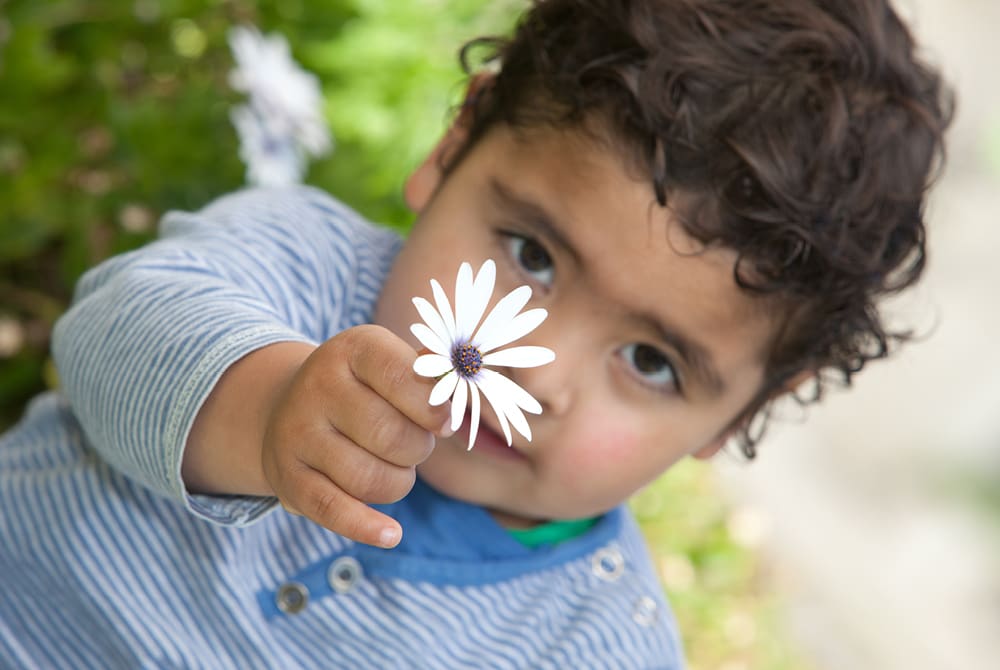
Terms such as happiness, health, and harmony are often used in early childhood education in ways that risk becoming vague or idealized. In this article, I do not approach these concepts as goals to be achieved or states to be maintained, but as lived experiences that emerge through everyday practice. I use the term Three H’s—Happiness, Health, and Harmony—not as a formal framework, but as a practical lens to explore how outdoor opportunities can support children’s and educators’ well-being while aligning naturally with curriculum and daily life.
When I refer to happiness in early childhood, I do not mean constant joy or uninterrupted positivity. Contemporary early childhood curricula emphasize play-based learning, and at the heart of play is children’s sense of enjoyment, freedom, and engagement. Happiness, in this sense, is about children feeling safe, having opportunities to make choices, experiencing a sense of autonomy, and feeling comfortable expressing their emotions, including joy, curiosity, frustration, and uncertainty. Children do not need to be happy all the time; instead, they need environments in which they can feel secure, heard, and free to engage in experiences that are meaningful to them. Framing happiness in this way shifts the focus from keeping children constantly cheerful to supporting their overall well-being and emotional safety.
READ THE ARTICLE >>
|
|
|
Reflect: The author writes, “Bringing the Three H’s—happiness, health, and harmony—into daily preschool life invites educators to look at outdoor opportunities not in terms of doing more, but in terms of noticing differently.” How has this article helped you notice and consider what you are doing with children in new ways?
|
|
|
|
|
|
|
|
|
|
|
|
|
How ECE Teachers Can Create Gender Inclusive Spaces
|
|
|
|
|
BY HELEN FANN, TESS SHIREFLEY AND APRIELLE ANDERSON
|
|
|
As early childhood educators know, young children are powerful scientific thinkers (Gopnik, 2012). They navigate, incorporate, and revise information through everyday interactions, which lead to robust understandings of social norms and expectations. Still to this day, many adults view young children as unable to understand complex topics related to their identities like race, ethnicity, or gender. However, much work has documented that children can begin to conceptualize their own identities including gender from as young as 18 to 24 months of age (Martin & Ruble, 2010, as cited in Diamond, 2020).
Recent estimates indicate about 1.2 million adults in the United States identify as non-binary (Williams Institute, 2021). Recent polls show 35% of members of Generation Z (those ages 13 to 21 in 2018) know someone who uses gender-neutral pronouns (Parker et al., 2019), and half of Americans are aware of pronouns outside of the binary she/her and he/him (Pew Research Center, 2020). While trends indicate that cultural perspectives about gender are shifting, those who work in educational spaces may feel unprepared to handle topics related to gender with young children.
READ THE ARTICLE >>
|
|
|
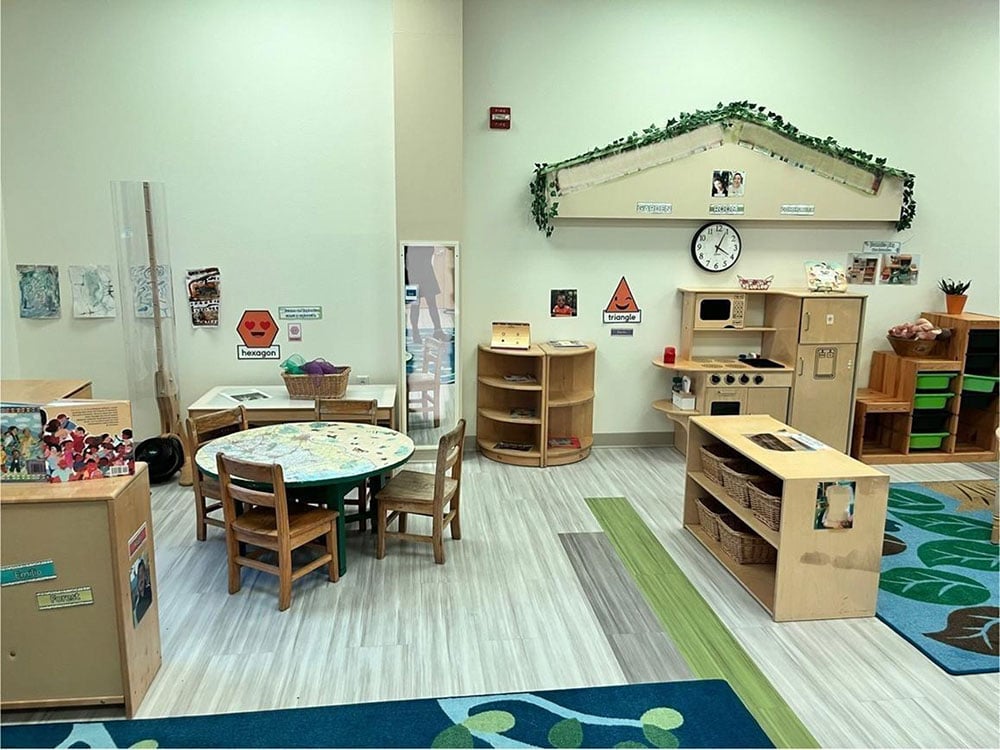
Reflect: Has this article sparked any new ideas for you about setting up classroom spaces?
|
|
|
|
|
Exchange Community Voices
IS MADE POSSIBLE BY OUR DEDICATED SPONSORS:
|
|
|
|
|
|
|
|
|
|
|
Exchange Community Voices is brought to you by our Exchange Staff with Nancy Rosenow as Editor-in-Chief. Our collaboration with Exchange Strategic Partners supports early childhood professionals worldwide.
|
|
|
|
|
|
|
|
|
|
|
|
|
This email was sent to _t.e.s.t_@example.com by
Dimensions Educational Research Foundation, 7700 A Street, Lincoln, Nebraska 68510, United States
(800) 221-2864 | info@exchangepress.com
Exchange Press is a program of Dimensions Educational Research Foundation, a 501(c)3 non-profit organization.
Copyright © 2026 Dimensions Educational Research Foundation, All rights reserved.
|
|
|
|
|
|
|
|
|