YOUR WEEKLY DIGEST • VOLUME 1, ISSUE 15 • APRIL 13, 2026
Sharing Wisdom Through Recorded Stories: Inspiration for Overcoming Obstacles
BY ROGER NEUGEBAUER AND MICHELE RYAN
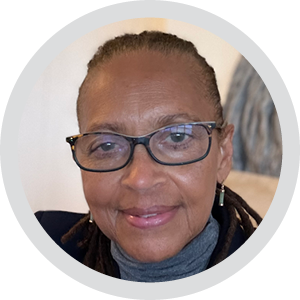
“As I prepare for my retirement, I want to feel that there is still something I can do and still feel valued and not just disappear from the field.” —Patsy Pillay, South Africa
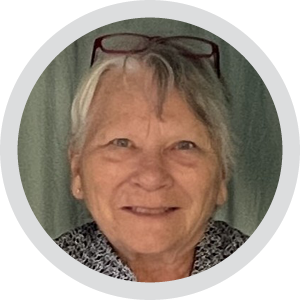
“Don’t put me in a drawer. I’m not ready to stop contributing.” —Loukisha Pennix, USA
Early childhood is a unique profession. Its members burn with a passion, not to make money, but to make a difference in the lives of children and their families. And, this passion seldom diminishes as they near retirement—not just for Patsy and Loukisha, but for great numbers of individuals across the globe…and maybe for you!
The Early Childhood Wisdom Initiative (ECWI) was created by Carol B. Hillman and Bonnie Neugebauer to provide a vehicle for elders in the field to share their stories to nurture and inspire future generations of educators.
“It’s really an exciting moment for us—a small idea has grown into a global concept. The people who are here are so excellent in the depth of their thinking and their willingness to expand their vision to do good for all children and families” says Carol B. Hillman, USA
Reflect: In what ways might the Early Childhood Wisdom Initiative stories be helpful in your own work?
ADVERTISEMENT
Leadership for Climate Change: Inspiring Teachers to Take Action
BY ALEXANDRA DUTTON
It was a beautiful May morning, and groups of teachers from Old Firehouse Schools were wandering around a Berkeley park. Some were heading towards the beach, some towards a copse of tall pine trees, others towards a bench in a sunny spot. Each of them carried a clipboard and pencil, and as each teacher found a space to settle down, sketching began. Crows and seagulls flew overhead, herons were in the water at low tide picking up crabs, and squirrels darted from burrow to burrow. There were 30 minutes—what felt like a lifetime—where there was nothing to do but look at nature and draw.
For some teachers, the sketching came naturally and they drew flowers, animals, and plants. For others, it took time to settle in and be comfortable with the amount of time they were given to sit and observe the environment. After 30 minutes, the teachers regrouped and shared how this time made them feel and what they noticed.
READ THE ARTICLE >>
Reflect: The author describes a number of experiences that helped educators develop a deeper personal appreciation of nature. Which of these experiences might be beneficial in your work setting?
ADVERTISEMENT
Chair Dichotomy in Early Childhood Classrooms: Ruler Vs. Ruled
BY KATHRYN MURRAY AND SANDRA DUNCAN
When entering an early childhood preschool classroom, the first thing we often notice is the furniture: tables, shelves, and chairs. Usually, among the classroom furniture, one or two chairs are set aside (or required) for adults. These chairs seem ordinary yet might hold a deeper meaning beyond being places to sit. What if adult chairs send a message of hierarchy and status in the classroom? Consider, for example, the historical use of the chair. During medieval times, the king and queen sat on jewel-encrusted thrones elevated above the kneeling peasants. The hierarchy of the ruler and the ruled was obvious. Many leaders, such as monarchs, government officials, religious figures, and judges, occupy prominent seats designed to highlight their authority. This positioning clearly highlights the difference in status between ruler and ruled. In early childhood classrooms, teachers typically sit on adult chairs while students are on the floor or small seats, which may unintentionally reinforce this hierarchy.
Reflect: The authors encourage us to consider how the arrangements of our early care and education classrooms might be sending messages to children that we don’t intend, including even things as seemingly simple as where teachers and children sit. What thoughts has this article sparked about room arrangements?
Exchange Community Voices IS MADE POSSIBLE BY OUR DEDICATED SPONSORS:
Exchange Community Voices is brought to you by our Exchange Staff with Nancy Rosenow as Editor-in-Chief. Our collaboration with Exchange Strategic Partners supports early childhood professionals worldwide.
FOLLOW US
This email was sent to _t.e.s.t_@example.com by
Dimensions Educational Research Foundation, 7700 A Street, Lincoln, Nebraska 68510, United States (800) 221-2864 | info@exchangepress.com