Share

The heart of community is in the Exchange
 ‌ ‌ ‌ ‌ ‌ ‌ ‌ ‌ ‌ ‌ ‌ ‌ ‌ ‌ ‌ ‌ ‌ ‌ ‌ ‌ ‌ ‌ ‌ ‌ ‌ ‌ ‌ ‌ ‌ ‌ ‌ ‌ ‌ ‌ ‌ ‌ ‌ ‌ ‌ ‌ ‌ ‌ ‌ ‌ ‌ ‌ ‌ ‌ ‌ ‌ ‌ ‌ ‌ ‌ ‌ ‌ ‌ ‌ ‌ ‌ ‌ ‌ ‌ ‌ ‌ ‌ ‌ ‌ ‌ ‌ ‌ ‌ ‌ ‌ ‌ ‌ ‌ ‌ ‌ ‌ ‌ ‌ ‌ ‌ ‌ ‌ ‌ ‌ ‌ ‌ ‌ ‌ ‌ ‌ ‌ ‌ ‌ ‌ ‌ ‌ ‌ ‌ ‌ ‌ ‌ ‌ ‌ ‌ ‌ ‌ ‌ ‌ ‌ ‌ ‌ ‌ ‌ ‌ ‌ ‌ ‌ ‌ ‌ ‌ ‌ ‌
Exchange Community Voices
YOUR WEEKLY DIGEST   •   VOLUME 1, ISSUE 18   •   MAY 4, 2026
 
Dear Reader – May 2026
Nancy Rosenow
BY NANCY ROSENOW
heart illustration
“You must have courage to love, you have to have a profound will to do what is right to love, and it does not come easy.” –bell hooks
Dear Reader,
The quote from bell hooks (who prefers that her name be written with lower case letters) is an important one for me this month—and I hope for you, too. In today’s world we are often receiving messages that encourage us to take the “safe” way, as opposed to the honorable way, which is often more difficult.

In light of the fact that so many organizations have been told to take down their diversity statements (or have chosen to do so), I’m pleased that Dimensions Foundation (the parent organization of Exchange) continues to proudly display its statement on its website. Here is how it begins: “Dimensions Educational Research Foundation staff and board members believe that cultivating a diverse, equitable and inclusive culture is essential, not only for our own community, but because we believe in modeling these principles for our professional networks and field, as well as for the future of our children.”


READ THE ARTICLE >>
Reflect: We encourage you to reflect on Mike Browne’s question: "If we’re serious about building something more just, more honest, and more whole, then it requires all of us—not just to believe in it, but to act on it. The question is... what will that look like individually? Collectively? At our headquarters in Nebraska and in the places where you work and reside?"
ADVERTISEMENT
Kiddie Academy
How Restoring Prairie Land By My Kindergarten Classroom Taught Me About Restoring Education
 
Peter Dargatz
BY PETER DARGATZ
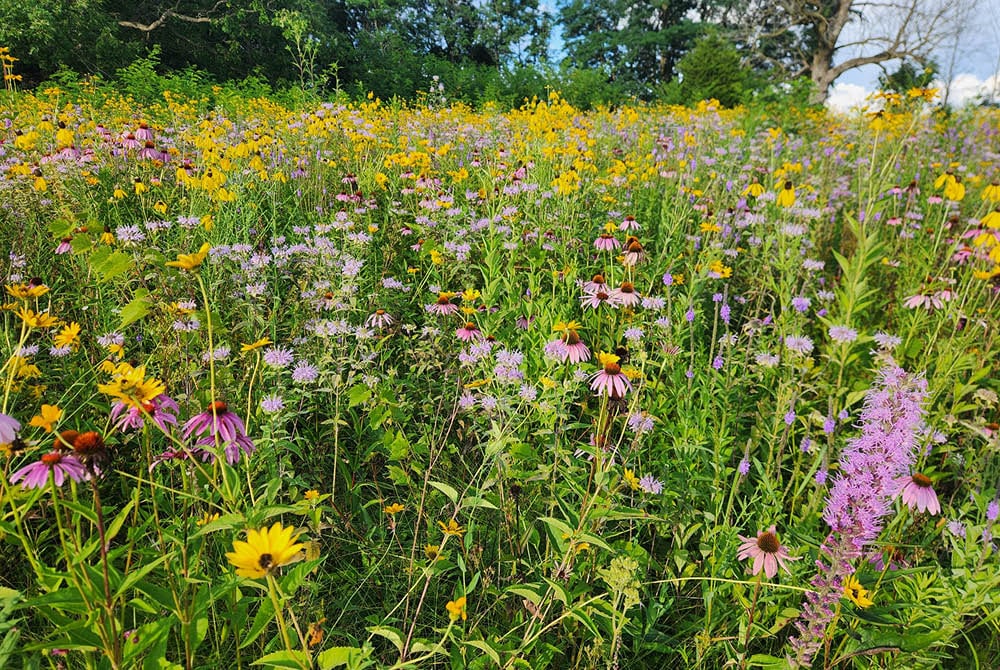
The blazing August sun’s rays illuminate the native prairie flowers, highlighting their diversity and uniqueness in a manner unimaginable just a few years before. This parcel of land, once dominated by boring brome grass and damaged by years of agricultural disturbance and neglect, has been painstakingly transformed into a lush and vibrant community of native flora and fauna. Birds chirp, butterflies flutter, and insects buzz around, finding the lifelines they need to survive and thrive in this pocket of prairie. The process of restoring this land hasn’t been easy. But it has been needed. Not only for the land, but for those who inhabit and enjoy it.

In just a few weeks, the classrooms that are just a few hundred feet away from this native paradise will open their doors to a new set of students, thirsty for knowledge and social interaction. Their unique and interdependent learning styles and interests help make the school a dynamic environment to develop. Their classrooms evolve much like the land that surrounds the school grounds. New developments alter the way instruction is interpreted and implemented. Educational disturbances have dramatic impacts on how the students react and respond to this instruction. Bustling with life, schools undergo changes to continually improve the community’s resiliency to the factors that could damage and degrade its ability to succeed. Restoring a classroom and school community is also a task that can be difficult. But it is essential.

READ THE ARTICLE >>
Reflect: The author describes principles he used to restore native prairie near his kindergarten classroom that he realized are similar to principles for restoring authentic education. Which of his principles did you find most helpful? At the end of the article, be sure to check out the message he posts by his classroom door.
ADVERTISEMENT
Redleaf Press
Professional Development Through Active Participation With Art Materials
Jesús Oviedo
BY JESÚS OVIEDO
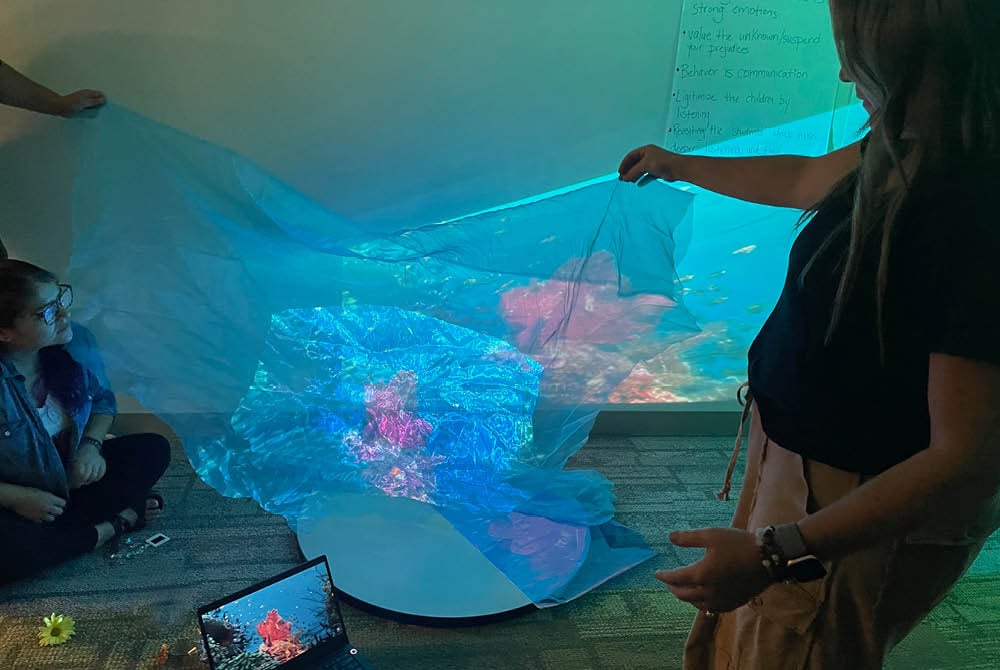
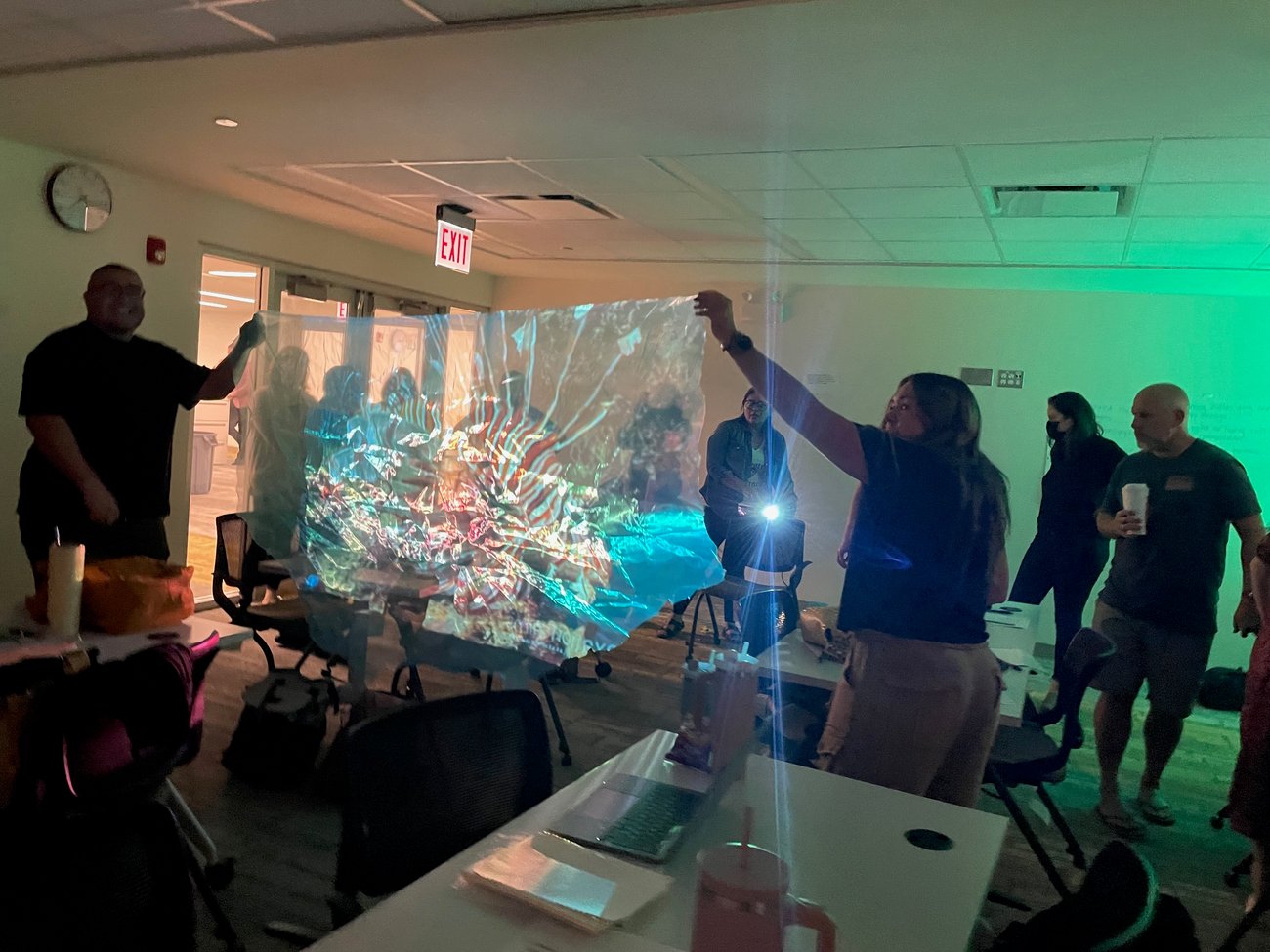
To truly transform Early Childhood, we must harness the wisdom and potential in our communities through active participation and collaboration. Educators are more than technicians. We are specialists who bring wisdom, cultural perspectives, and our interests and talents to the field.
Adults exploring light and shadow
Reggio Emilia’s conception of social formation has served as a source of inspiration for me. I understand this idea as a system that emerges from collaborative community efforts, in contrast to a traditional, hierarchical model. I believe this concept’s profound impact comes from the shared belief that all school positions are integral to a larger purpose (Giamminuti, et al.). This frame of mind unites diverse perspectives for collective positive impact, in contrast to didactic models which lead to pushback or non-compliance.

READ THE ARTICLE >>

Reflect: How might actively exploring art materials, as the author describes, enhance your professional growth experiences?
Exchange Community Voices
IS MADE POSSIBLE BY OUR DEDICATED SPONSORS:
Procare Solutions
Famly
Kaplan
Kiddie Academy
Guidecraft
Teaching Strategies
 
Exchange Community Voices is brought to you by our Exchange Staff with Nancy Rosenow as Editor-in-Chief. Our collaboration with Exchange Strategic Partners supports early childhood professionals worldwide.
The heart of community is in the Exchange
 
FOLLOW US
Facebook
 
Linkedin
 
Instagram
This email was sent to _t.e.s.t_@example.com by
Dimensions Educational Research Foundation, 7700 A Street, Lincoln, Nebraska 68510, United States
(800) 221-2864 | info@exchangepress.com

Exchange Press is a program of Dimensions Educational Research Foundation, a 501(c)3 non-profit organization.
Copyright © 2026 Dimensions Educational Research Foundation, All rights reserved.

Trouble viewing this email? View or print in browser
Email Marketing by ActiveCampaign