Share

The heart of community is in the Exchange
 ‌ ‌ ‌ ‌ ‌ ‌ ‌ ‌ ‌ ‌ ‌ ‌ ‌ ‌ ‌ ‌ ‌ ‌ ‌ ‌ ‌ ‌ ‌ ‌ ‌ ‌ ‌ ‌ ‌ ‌ ‌ ‌ ‌ ‌ ‌ ‌ ‌ ‌ ‌ ‌ ‌ ‌ ‌ ‌ ‌ ‌ ‌ ‌ ‌ ‌ ‌ ‌ ‌ ‌ ‌ ‌ ‌ ‌ ‌ ‌ ‌ ‌ ‌ ‌ ‌ ‌ ‌ ‌ ‌ ‌ ‌ ‌ ‌ ‌ ‌ ‌ ‌ ‌ ‌ ‌ ‌ ‌ ‌ ‌ ‌ ‌ ‌ ‌ ‌ ‌ ‌ ‌ ‌ ‌ ‌ ‌ ‌ ‌ ‌ ‌ ‌ ‌ ‌ ‌ ‌ ‌ ‌ ‌ ‌ ‌ ‌ ‌ ‌ ‌ ‌ ‌ ‌ ‌ ‌ ‌ ‌ ‌ ‌ ‌ ‌ ‌
Exchange Community Voices
YOUR WEEKLY DIGEST   •   VOLUME 1, ISSUE 16   •   APRIL 20, 2026
 
Early Childhood Around the World
How an Ancient African Philosophy Can Transform Early Childhood Education Worldwide
Patrick Makokoro
BY PATRICK MAKOKORO
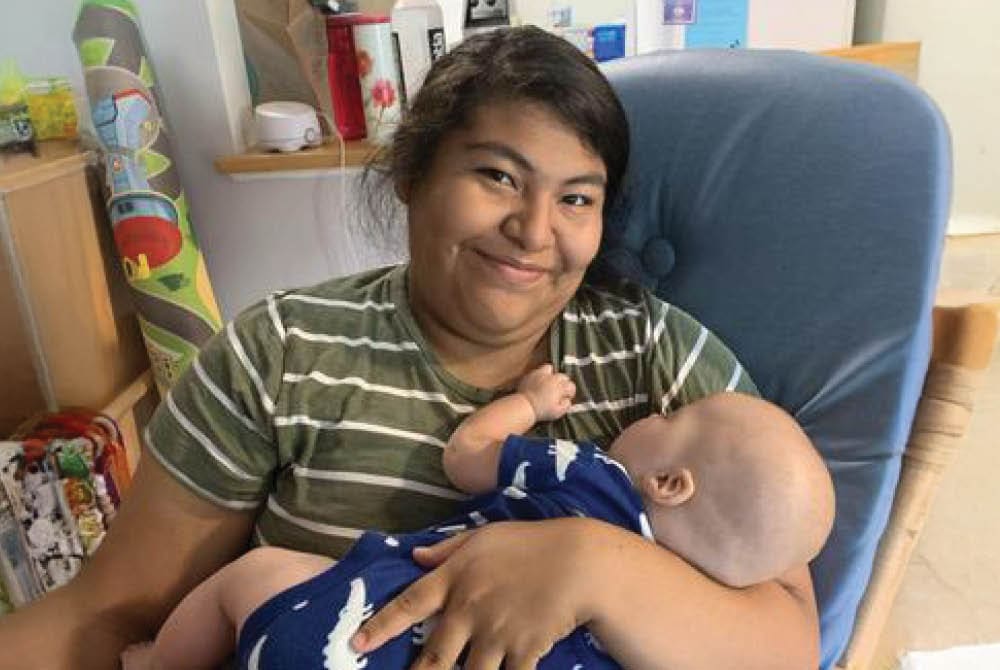
In many Euro-Western educational models, the focus is often on individual children’s development, their milestones, their achievements, their progress. Success is measured in terms of what each child can do independently. But through the HuUbuntu: I Am Because We Are philosophy, we are asking us to shift our perspective: What if a child’s development is fundamentally relational?
HuUbuntu: I Am Because We Are
What if children don’t just grow up, but grow into themselves through connections with family, community, and culture? This philosophy transforms how we understand the role of families in early learning. When we view early childhood development through the HuUbuntu lens, family engagement ceases to be a strategy for improving educational outcomes and becomes instead the natural expression of collective responsibility for children’s wellbeing (Ebrahim, 2011). Parents, grandparents, aunts, uncles, and community elders aren’t peripheral figures we occasionally invite to classroom events. They are essential co-educators whose wisdom, stories, and relationships actively shape who children become.

READ THE ARTICLE >>

Reflect: While HuUbuntu originates from Southern Africa, its wisdom speaks to universal human needs particularly right now in our increasingly fragmented world. What are some ways that focusing on the concepts of HuUbuntu could be helpful in your work?
ADVERTISEMENT
Kaplan
Building Joyful Organizations
When the Work Fits the Human: Designing Organizations Where People Want to Stay
 
Karen Foster-Jorgensen
BY KAREN FOSTER-JORGENSEN
For years, I wished I could clone one particular teacher. She was vibrant and flexible, creative and responsive. She listened deeply to children and adults. When a child struggled, she adjusted. When a parent felt frustrated, she encouraged. She never blamed—she looked for solutions. She could think on her feet and shift direction when children needed something different.

I remember thinking, “If only I could have ten more just like her.”

What I eventually learned, however, was that cloning was not the solution. Leadership growth was.

As I continued leading, I hired another extraordinary teacher—equally smart, equally kind, equally dedicated—but wired very differently. She sought clarity and structure. She wanted advance notice of change. When I introduced a new idea, she asked thoughtful questions: How would this affect the children? The parents? The flow of the room? The teaching team? She embraced change, but she wanted to understand it fully before implementing it.

READ THE ARTICLE >>
Reflect: The author writes, “Meaning fuels joy. When educators regularly use their strengths, they experience moments of flow—stretches of time when work feels purposeful rather than depleting.” When do you experience moments of flow in your work? How do you help others experience them?
ADVERTISEMENT
McCormick Institute for Early Childhood at National Louis University
The Language of Caregiving: Resisting the False Dichotomy Between Education and Care
Carol Garboden Murray
BY CAROL GARBODEN MURRAY
The system has no language for people like you.” – From Rebecca Calles Rijskijk’s Poem, Circular Labour

What language will legitimize care as an intellectual, educational, and embodied intelligence? What do we call ourselves? How do we name the places where we do the work of early education and care? Magda Gerber wrote about this when she coined the term “educare.” She told us we should not discuss education and care as separate, but rather describe integration and wholeness: that care is education, and the child is the curriculum (Gerber, 2003). A bold transformation that integrates care with education will require complex inside-out thinking that holds paradoxes, resists polarization, and illuminates the inseparability of education and care.


READ THE ARTICLE >>
Reflect: The author writes, “As I advocate for care, I hope that our work is seen authentically and that our ways of talking about our profession transcend previous ways of dismissing, disguising, and diminishing care.” What steps might you take to join in that effort?
Exchange Community Voices
IS MADE POSSIBLE BY OUR DEDICATED SPONSORS:
Procare Solutions
Famly
Kaplan
Kiddie Academy
Guidecraft
Teaching Strategies
Association for Early Learning Leaders
Gryphon House
Nature Explore
 
Exchange Community Voices is brought to you by our Exchange Staff with Nancy Rosenow as Editor-in-Chief. Our collaboration with Exchange Strategic Partners supports early childhood professionals worldwide.
The heart of community is in the Exchange
 
FOLLOW US
Facebook
 
Linkedin
 
Instagram
This email was sent to _t.e.s.t_@example.com by
Dimensions Educational Research Foundation, 7700 A Street, Lincoln, Nebraska 68510, United States
(800) 221-2864 | info@exchangepress.com

Exchange Press is a program of Dimensions Educational Research Foundation, a 501(c)3 non-profit organization.
Copyright © 2026 Dimensions Educational Research Foundation, All rights reserved.

Trouble viewing this email? View or print in browser
Email Marketing by ActiveCampaign